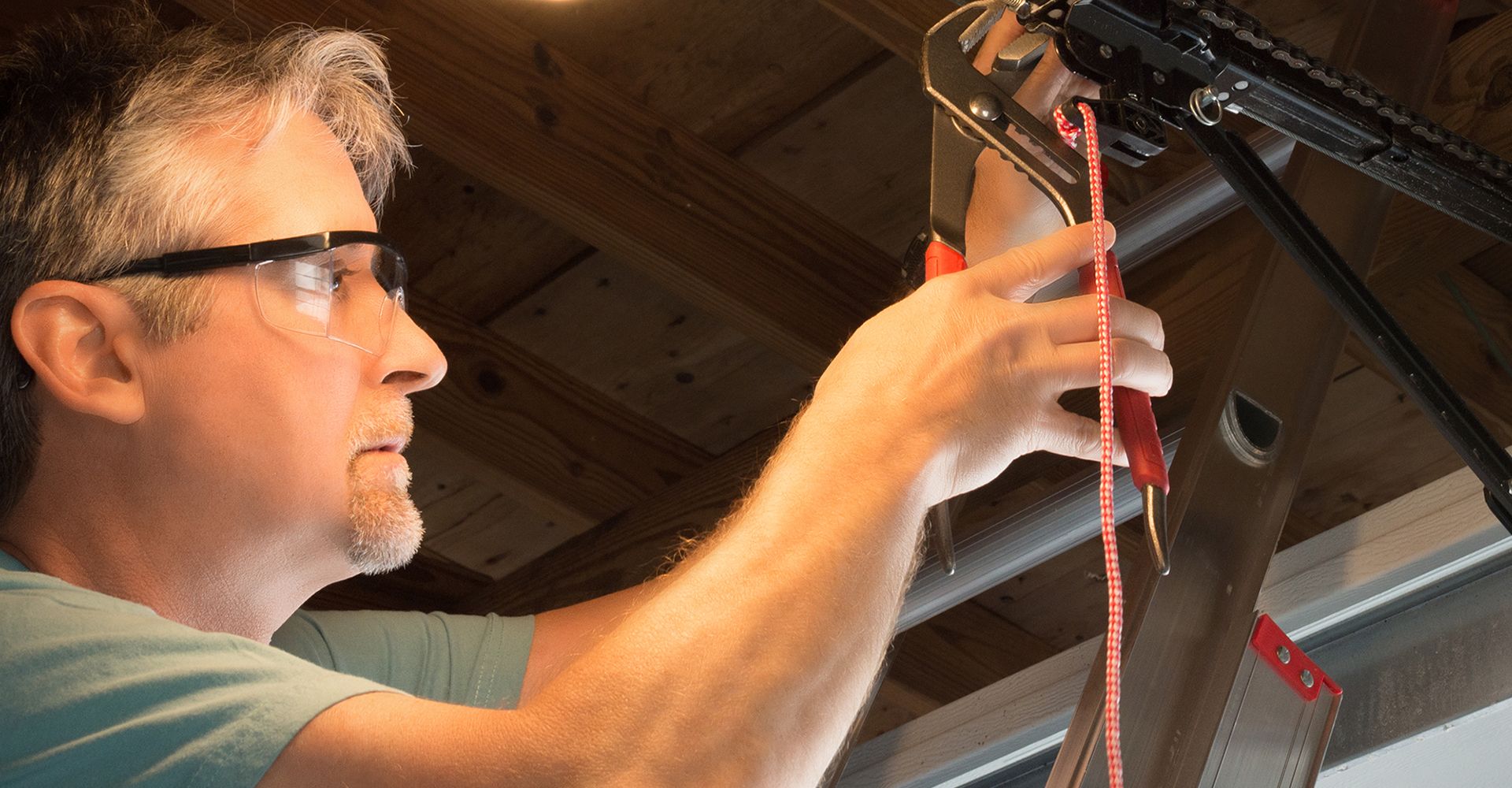
Emergency Garage Door Repair: What to Do First and Why Costs Vary
A garage door rarely fails at a convenient time. A spring snaps at 10 p.m., or the door jams halfway open right before work. Some of these problems can wait until morning, and some cannot. If your trouble is a dead opener, fixing a failed opener is a very different job than dealing with a broken spring or cable, and we will point out the difference as we go.
Which Garage Door Problems Count as an Emergency?
A garage door problem is an emergency when it puts someone at risk or leaves your home open to the street. If you see any of these signs, call for help now instead of waiting for business hours:
- A door stuck open. An open garage is an open door into your home overnight, and it exposes the tools and bikes stored inside.
- A loud bang followed by a door that won't lift. This usually means a torsion spring snapped, and without it the door feels far heavier than normal, so don't try to force it up. You can't patch or tighten a broken spring back into service, either. Replacing a snapped spring takes the correct spring size for your door's weight, plus winding bars and training to handle the stored tension safely.
- A loose or dangling cable. Lift cables carry the door's weight along with the springs, so a loose one can let one side of the door drop without warning.
- A door that has come off its track. It can fall out of the opening, so keep everyone clear until a technician secures it.
- A door that keeps closing on objects in its path. The safety system isn't working, so unplug the opener and keep kids and pets away from it.
- A car trapped inside before a work shift or a medical appointment. That is urgent even when nothing else is damaged.
Garage Door Issues That Can Safely Wait Until Morning
Not every breakdown needs a late-night call. When the door is shut and your car is already outside, these common problems can wait for a regular appointment, and if you are not sure which group yours falls into, call us and describe what you see.
Grinding or squeaking means the door needs service soon, but it is rarely a reason to call at midnight. When only the remote or keypad fails, dead batteries and a lost signal pairing are common causes, and the wall button often still works.
A dead opener on a closed, locked door can also wait, since the door keeps the garage secure until someone can diagnose the problem in daylight. Worn weatherstripping lets drafts and pests in at the bottom of the door, but it poses no immediate risk.
Before you book any visit, a few basic power and sensor checks can rule out a tripped breaker or a blocked safety eye.
What to Do in the First Few Minutes After a Garage Door Fails
The first few minutes after a failure matter more than most homeowners expect. The steps below keep people safe and give your technician a clear picture of what went wrong.
Clear the Space Around the Door
A damaged door can shift or drop with little warning. Start by making the area around it safe with these steps:
- Move children and pets away from the door and out of the garage.
- Stop pressing the remote or wall button, since repeated attempts can strain the opener and bend the door.
- Unplug the opener from the ceiling outlet so no one can trigger it by accident.
- Stay out from under the door, even if it looks stable.
Decide Whether to Pull the Emergency Release
The red release handle lets you disconnect the door from the opener so you can move it by hand, but it isn't always safe to use. DASMA's home inspector checklist says that if a spring is broken, you should not operate the door until the spring is replaced, and it warns that the door may unexpectedly begin to open when you disengage the operator. So if you heard a bang, see a gap in the torsion spring above the door, or spot a loose cable, leave the handle alone and call a technician.
If the door is fully closed and the springs and cables look intact, you can pull the handle to free the door. Lift it slowly with both hands, using the handles or solid gripping points instead of the gaps between panels. If it feels very heavy or won't stay up on its own, lower it and wait for a technician. Never pull the handle with the door open, because a door with a failed spring can drop.
Secure a Door That Won't Close
A door stuck open is a security problem you can manage for a few hours. Lock the interior door between the garage and your house, and move bikes and tools out of sight or indoors. Turn on the exterior lights around the driveway. If your car is already parked inside, leave it there rather than trying to back it past a sagging door.
Note What the Door Did Before You Call
A clear description helps us arrive with the right parts. Before you call, think about what you heard or saw, such as a loud bang or grinding from the opener, and where the door is sitting now: closed, open, halfway, or crooked. If you can see the opener brand on the motor housing, write it down. From a safe distance, take photos of the springs, cables, and tracks.
What Happens When a Technician Arrives After Hours
A good after-hours visit follows the same careful process as a daytime one. The technician should secure the door first, so no one is at risk while the work begins. Next comes finding the cause: the springs and cables get checked first, then the rest of the hardware, along with anything else that was damaged when the part failed.
Before any repair starts, you should get a clear estimate. After the repair, the door should be balanced and tested. It should hold its position when you lift it halfway by hand, and it should reverse when the safety sensors are blocked.
What Drives the Cost of an After-Hours Visit
There's no single price for an urgent repair, because the cost depends on what broke and when you call. Some companies charge more for nights, weekends, and holidays, so ask whether an after-hours fee applies. The failed part matters too, since a spring, a cable, a bent track, and an opener circuit board each need different parts and labor time.
Your door adds to the total as well. Heavier doors, such as insulated steel or wood models, need stronger springs and more hardware. On doors with two springs, DASMA's guidance is to replace both even when only one has broken, so expect that in the estimate. A door that dropped or ran off its track may also need new panels or rollers.
The door industry's trade association lists springs among the most dangerous parts of a garage door, which is why spring work belongs with trained technicians.
Get Your Garage Door Closed and Secure Tonight
A door that sits flush against the floor and stops the moment something crosses its path is the finish line for every urgent call. If your door is stuck, off its track, or won't close, call a technician and describe what you heard and saw. We are open 24 hours, so you don't have to wait until morning to get help.
Melikson Garage Door serves Santa Clara and the surrounding Bay Area communities with garage door repair, spring and opener service, and new door installation. When a spring snaps or a door gets stuck open after hours, our licensed and insured team offers 24/7 service to get it safely back on track.
Frequently Asked Questions
Is a broken garage door spring an emergency?
Yes, a broken spring is an emergency when the door is stuck open or your car is trapped inside. The door loses most of its lift support once a spring snaps. Leave the door where it is, keep people clear, and call a technician instead of forcing it.
Can I leave my garage door open overnight until it's fixed?
You can, but it leaves your home and belongings exposed. If you must, lock the interior door to the house and keep valuables out of sight with the outside lights on. Calling for an after-hours repair is the safer choice when the door won't close.
Is it safe to pull the emergency release on my garage door?
Only when the door is fully closed and the springs and cables look intact. DASMA's checklist warns that a door with a broken spring may unexpectedly begin to open when the opener is disengaged, so leave the handle alone if you heard a bang or see a gap in the spring. If the door is safe to release, lift it slowly with both hands and lower it if it feels very heavy.
Does emergency garage door repair cost more than a regular visit?
It can. Some companies add a service charge for after-hours calls. The part that failed and any extra damage also affect the total. Before work starts, you should get a clear estimate.
Can I drive my car out if the garage door spring is broken?
It isn't safe to back out under a door held up by one weak spring or a frayed cable. A door that drops can dent the car or injure the driver. If the car is inside and you need it, call a technician rather than lifting the door yourself.